viscer-, viscero-, visceri-, visc-
(Latin: internal organs; all that is under the skin, all parts in the body except flesh or muscles; entrails; any large interior organ in any of the three great cavities of the body; specifically, those within the chest; such as, the heart or lungs; or in the abdomen; such as, the liver, pancreas, and intestines; and in the head; such as, the brain)
visceroperitoneal (adjective), more visceroperitoneal, most visceroperitoneal
Pertaining to the serous (fluid or discharge) membrane lining the abdominopelvic walls: The severe visceroperitoneal inflammation of the patient's abdomen and lower pelvic area was very painful.
Related to the thoracic (throat, chest) pleura (membrane enveloping the lungs and the linings of the walls of the pulmonary cavities): Each lung is enveloped in a double-folded membrane called the pleura where the outer part which is closest to the ribs, is the parietalpleura; and the inner layer, closest to the lung, is the visceralpleura.
The visceralpleura or pleurovisceraland the parietalpleura are moistened with a serous (thin, watery fluid) secretion that facilitates the movements of the lungs within the chest (thorax).
The sinking or lowering displacement of an abdominal organ; such as, the intestine or kidney: The visceroptosis is a disease exists in various degrees of severity and may show no symptoms at all; however, there it can result in a loss of appetite, heartburn, nervous dyspepsia (indigestion), constipation, or diarrhea, headache, vertigo (dizziness), emaciation (extreme weight loss), and the inability to sleep.
visceroreceptors (noun) (plural used as a singular)
A group of nerve endings that respond to stimulations which are usually ill-defined sensations: In hollow organs (tubed or pouched; such as, the stomach), the visceroreceptors are usually stimulated by distentions which means that they are stretched beyond normal formations; in other words, they are sensitive to pressure, stretching, chemical changes, hunger, and thirst.
viscerosensory (adjective), more viscerosensory, most viscerosensory
Descriptive of the stimulation of internal organs: The new medical procedure which the doctor used provided a very viscerosensory stimulation of the patient's heart, causing it to beat very fast.
A form of pain in which stimuli within the stomach area causes painful reactions when the stomach is touched or if any pressure is applied to another external region of the body: The tender and smarting viscerosensory reflexes were a result of somatic structures (skin and muscle) that came from a malfunctioning internal organ.
During the manual abdominal examination, Dr. Tall pressed firmly on various sectors of Jane's abdomen causing a viscerosensory reflex in her, and she winced and twisted away from the doctor's probing hands.
According to the medical examiner, there appeared to be a cyst under the patient's skin of her right hand which resulted in a viscerosensory reflex when it was touched by the dermatologist.
visceroskeletal (adjective), more visceroskeletal, most visceroskeletal
Of or pertaining to the framework of the internal organs: The visceroskeletal system of muscles is related to the pelvis, ribs, and sternum.
1. A stiff or bony formation in an internal organ; such as, the cartilaginous rings in the trachea and other parts of the breathing system:The visceroskeleton in Mrs. Sam's throat seemed constricted and she required exploratory surgery to determine how best to repair the condition.
2. Bone structures of the skeleton which protect body parts in the abdomen and lung area of the body: As a result of the three-car collision, Mark suffered extensive damage to his visceroskeleton, including a broken hip and several ribs.
2. Bone structures of the skeleton which protect body parts in the abdomen and lung area of the body: As a result of the three-car collision, Mark suffered extensive damage to his visceroskeleton, including a broken hip and several ribs.
viscerosomatic (adjective), more viscerosomatic, most viscerosomatic
Descriptive of the internal bodily organs or to illness or the dysfunction of these organs or the tissue surrounding them: During a post operative consultation, Dr. Smiley stated that the most viscerosomatic inflammation of tissue in Horace's abdomen had been removed.
A response that occurs in the muscles of the body as a result of the stimulation of the nerves in one or more of the internal organs of the body: The delicate post-surgical instruments were able to track the viscerosomatic reactions of the abdominal muscles in the patient's physical structure.
1. Certain areas of a bodily organ which is supplied with sensory fibers from a single spinal nerve.
2. An autopsy instrument which permits the rapid removal of specimens from solid organs; such as, the liver: The medical specialist performed procedures which he used to remove sections of bodily organs; such as, the liver from the cadaver (dead body) for examination without having to perform a general postmortem or dissection to determine the cause of death.
2. An autopsy instrument which permits the rapid removal of specimens from solid organs; such as, the liver: The medical specialist performed procedures which he used to remove sections of bodily organs; such as, the liver from the cadaver (dead body) for examination without having to perform a general postmortem or dissection to determine the cause of death.
1. The process of cutting out a piece of liver or other internal organ with the viscerotome.
2. An incision of an organ, especially postmortem excision of a portion of the liver.
3. Dissection of the viscera by incision, especially done in postmortem.
2. An incision of an organ, especially postmortem excision of a portion of the liver.
3. Dissection of the viscera by incision, especially done in postmortem.
viscerotrophic (adjective), more viscerotrophic, most viscerotrophic
1. Making use of internal organs of the body for growth; used especially of viruses.
2. Capable of stimulating the growth of internal organs of the body.
3. Etymology: from Latin viscero- + Greek trophe, "nourishment".
2. Capable of stimulating the growth of internal organs of the body.
3. Etymology: from Latin viscero- + Greek trophe, "nourishment".
viscerotropic (adjective), more viscerotropic, most viscerotropic
Attracted to or moving toward the internal organs of the body.
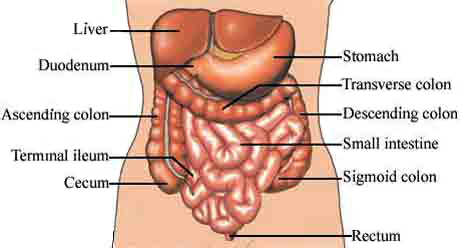
The internal structures or organs of the body that perform specific functions: Examples of viscera include the following:
- The chest: heart and lungs.
- The abdomen: liver, pancreas, spleen, gallbladder, stomach, and intestines.
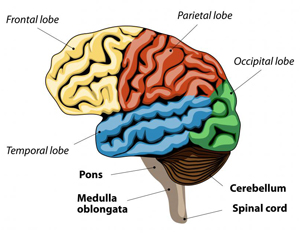
- The head: brain of nerve tissues or neuroglia which are organized to receive, to process, to remember, and to send out information.
- The heart, liver, intestines, stomach, lungs, and brain are all viscera or bodily organs.